



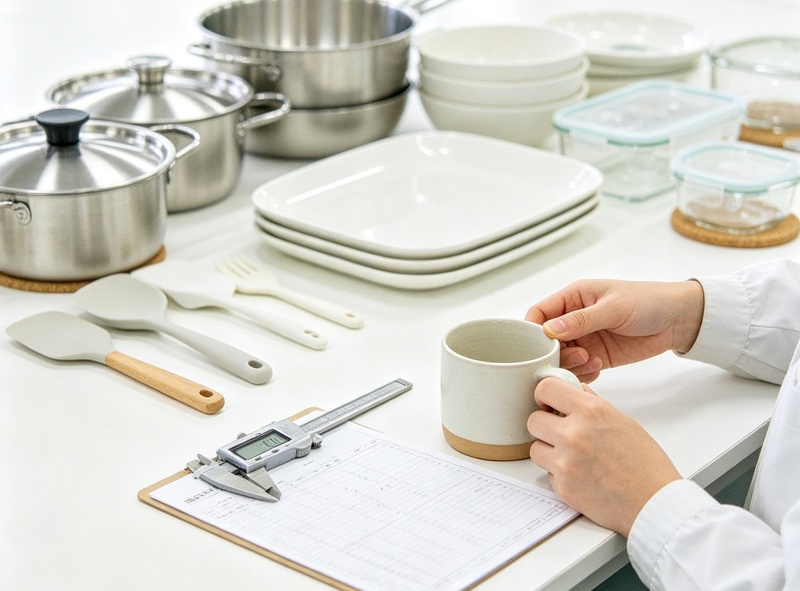
The way home and kitchen products are designed has changed completely in just a few years. Where designers once sketched on paper, carved clay models by hand and waited weeks for a first sample, today they build products in 3D software, print prototypes overnight and iterate designs in days rather than months. This digital design revolution is not just faster — it produces better products, with fewer errors, lower sampling costs and more precise communication between buyers and factories. For anyone sourcing home goods, understanding this shift is essential.
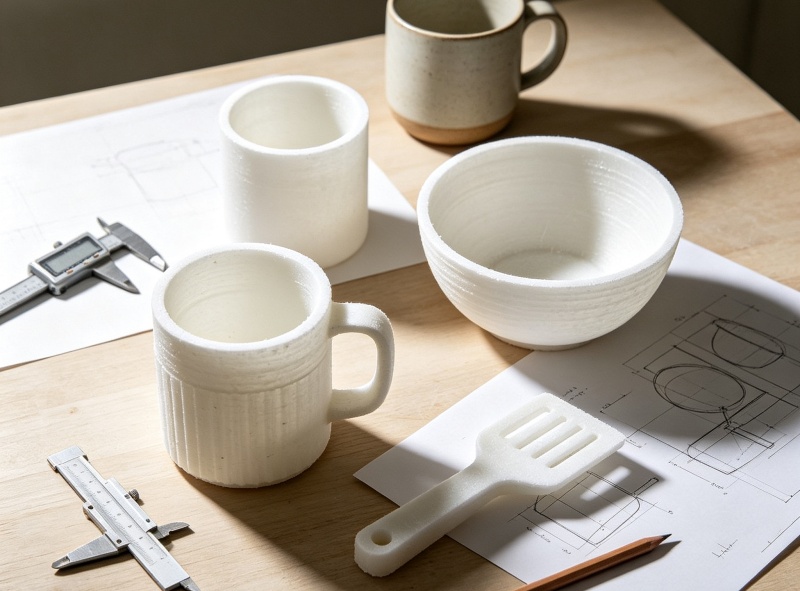
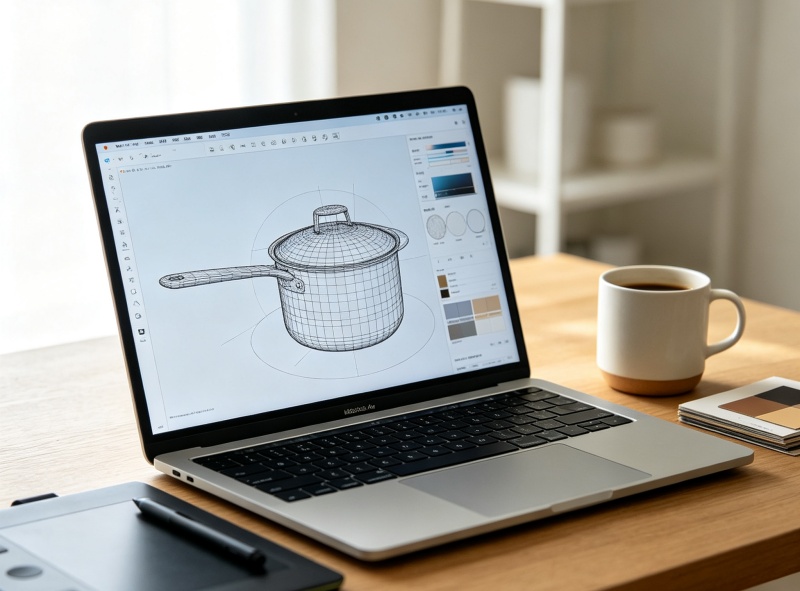
Three digital tools are driving the revolution. First, 3D modeling and rendering software allows designers to create photorealistic product visuals before a single physical sample exists — buyers can review shape, proportion, color and material on screen, request changes instantly and approve designs with confidence. Second, rapid prototyping — including 3D printing and CNC machining — turns digital files into physical samples in 24 to 48 hours, allowing teams to test ergonomics, fit and function at a fraction of traditional sampling cost. Third, digital tooling and automated production ensure that the approved sample translates accurately into mass production, with tighter tolerances and more consistent quality across every batch.
“DESIGN USED TO TAKE MONTHS. TODAY IT TAKES DAYS — AND THE PRODUCTS ARE BETTER BECAUSE OF IT.”
For buyers, the digital design revolution means three practical advantages. Sampling is faster and cheaper: instead of paying for multiple rounds of hand-carved molds, buyers can review 3D renders and 3D-printed prototypes before committing to tooling, reducing development time from months to weeks. Customization is more accessible: small changes to size, color, handle shape or surface pattern can be made in software and prototyped quickly, making OEM and ODM projects viable even at lower order quantities. And quality is more consistent: digital files drive automated cutting, molding and finishing, so the 10,000th piece matches the approved sample as closely as the first. When choosing a manufacturing partner, ask about their digital design workflow — it is a strong indicator of speed, precision and professionalism.
The design revolution is here, and PNGlobal is at the forefront. Our in-house design team uses 3D modeling, rapid prototyping and digital tooling to develop home and kitchen products faster, more accurately and at lower cost than traditional workflows. From initial concept renders to 3D-printed prototypes to mass-produced finished goods, we support buyers at every stage with OEM and ODM services, custom design development, strict quality control and factory-direct pricing. Contact us to start your next product development project and experience the digital design advantage.
Related Posts
Old Brand New: Sustainable and Upcycled Home Products for Conscious Living
Sustainability is reshaping home goods. Discover how recycle
House Floor Plans: Designing Multi-Functional Spaces for Modern Living
Modern homes do more with less space. Discover how multi-fun
Modern Design: Functional Minimalism in Home & Kitchen Products
Explore how functional minimalism is reshaping home and kitc


发表回复