



Rustic Interior: The Rise of Artisanal and Natural-Texture Kitchen Products
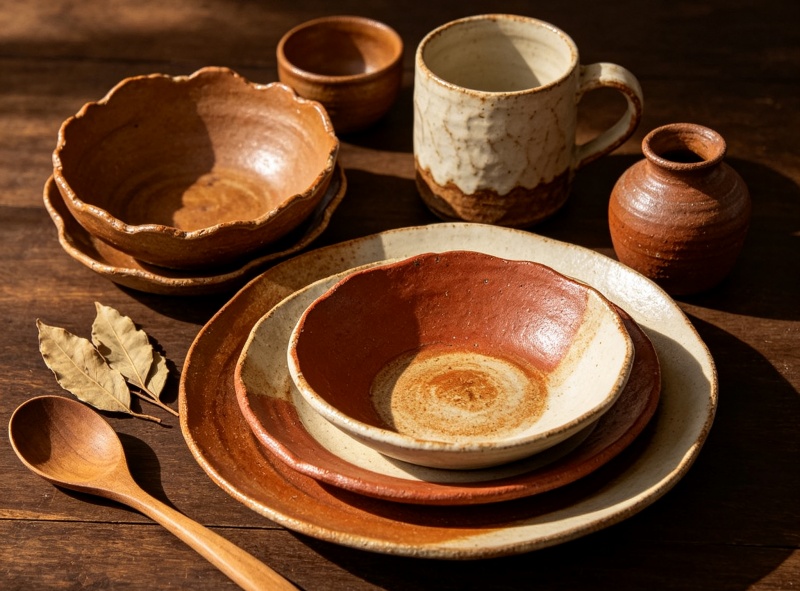
In an age of mass production and smooth, uniform surfaces, buyers and consumers alike are rediscovering the appeal of imperfection. Handcrafted ceramics with organic edges, wooden utensils with visible grain, and woven textiles with natural texture are no longer niche preferences — they have become a major direction in home and kitchen product design. For wholesalers and retailers, this shift toward artisanal aesthetics offers a way to differentiate product lines and command better margins.
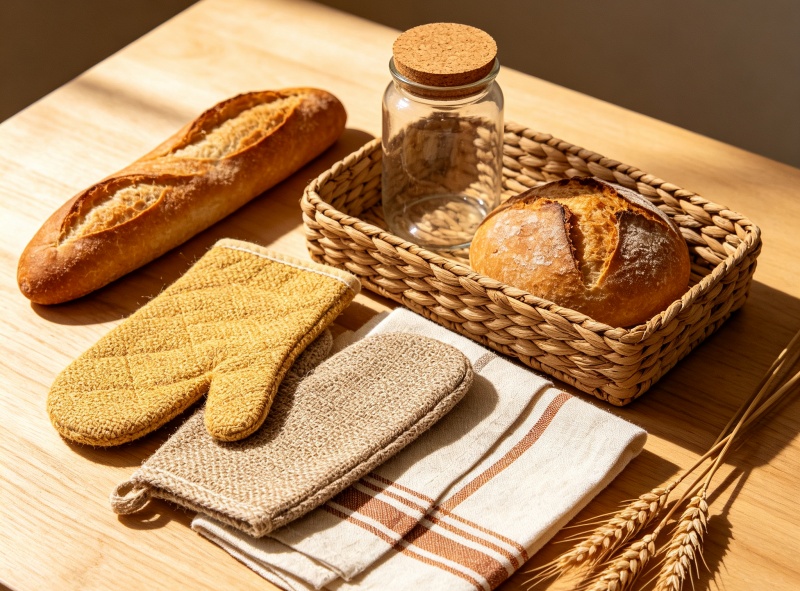
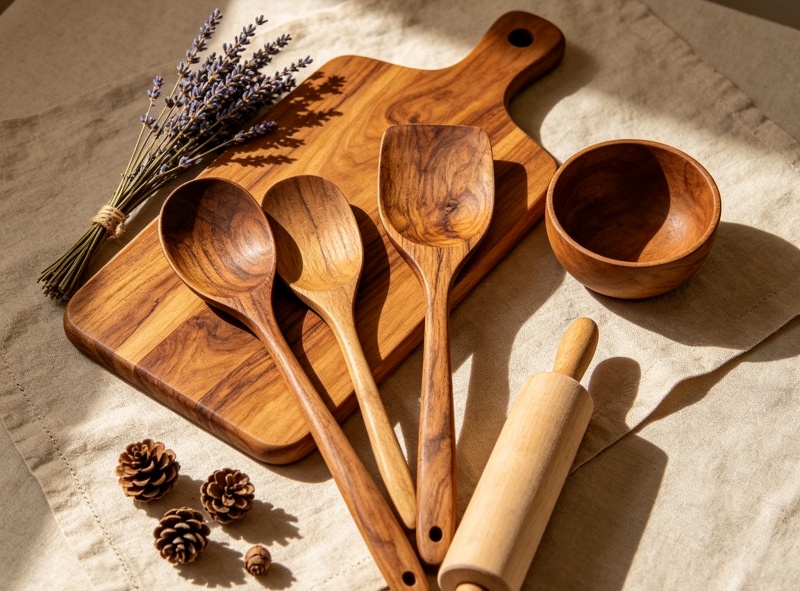
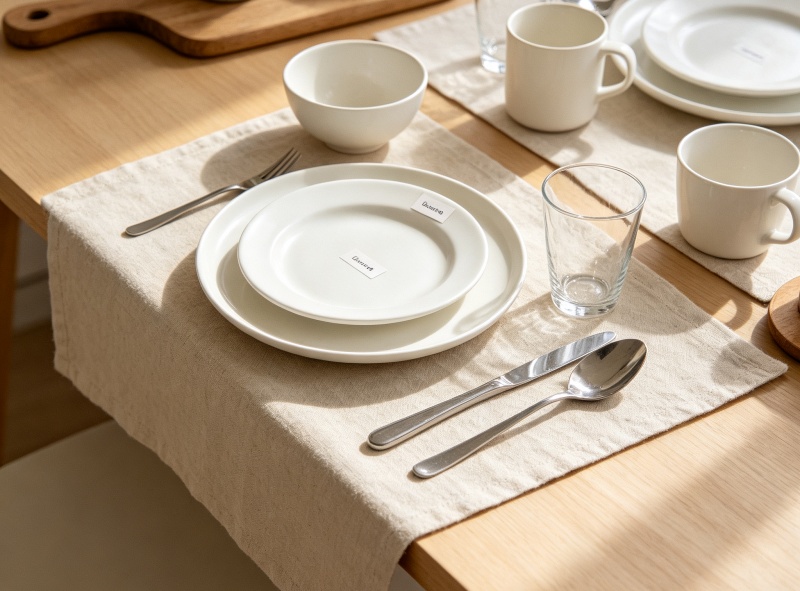
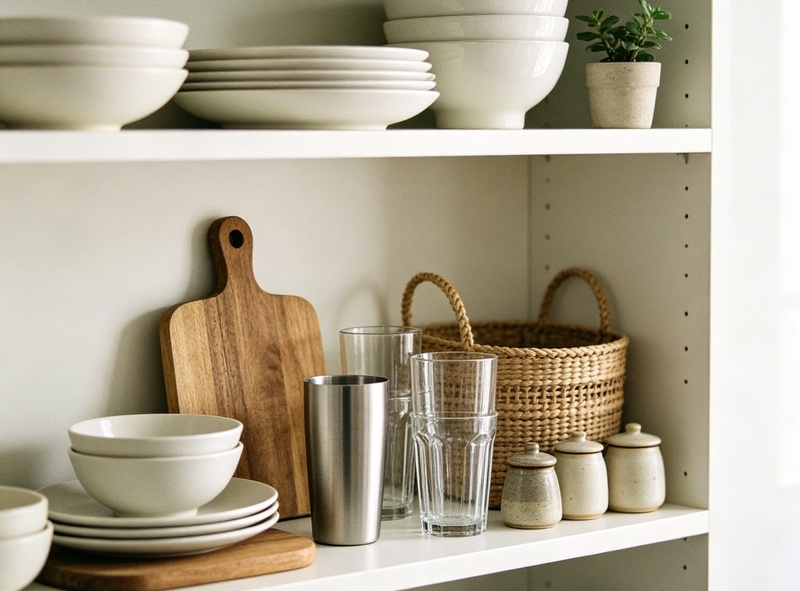
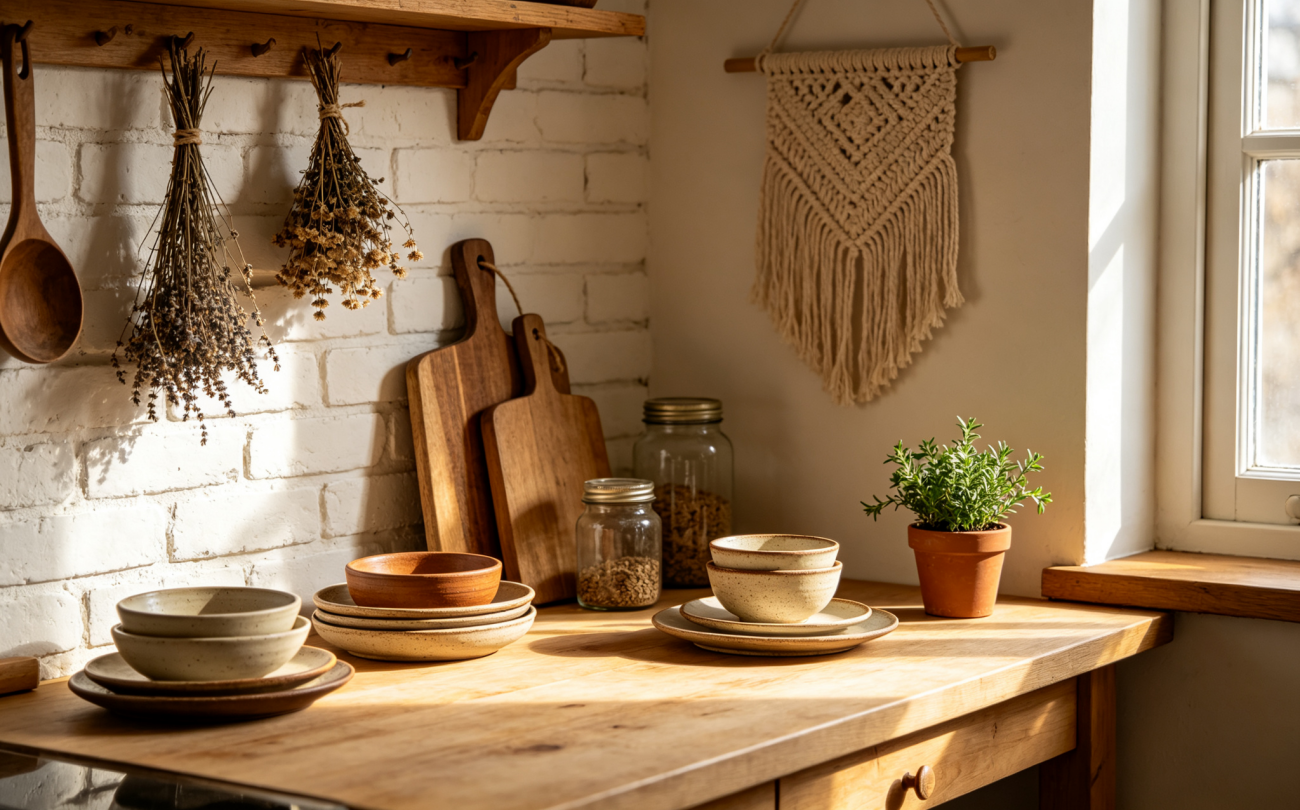
Three elements define the rustic-artisanal trend in kitchenware. First, handcrafted ceramics: bowls, plates and mugs with irregular shapes, visible throwing marks and matte glazes in terracotta, warm brown and cream tones feel unique and personal, even when produced at scale. Second, natural wood: olive wood cutting boards, acacia utensils and beechwood rolling pins bring warmth and grain variation that synthetic materials cannot replicate. Third, woven and textile textures: jute placemats, linen napkins and seagrass baskets add layered, tactile depth to kitchen and dining collections.
IN A WORLD OF MASS-PRODUCED PERFECTION, THE BEAUTY OF THE HANDMADE IS THAT NO TWO PIECES ARE EVER QUITE THE SAME.
Sourcing artisanal-style kitchen products at scale requires careful quality management. True handmade pieces are inherently inconsistent, but buyers still need reliability — dimensions must stay within tolerance, glazes must be food-safe, and wood finishes must meet FDA and LFGB standards. Experienced manufacturers achieve this balance by combining hand-finishing techniques with controlled production processes, ensuring each piece has character without compromising safety or consistency.
Related Posts
Tall kitchen walls are wasted space. Discover how wall-mounted rails, magnetic strips, open shelving and slim carts turn vertical space into organized storage.
Anna Smith
Make the Concept Yours: How to Turn Design Trends into Your Own Branded Product Line
Learn how to take trending home and kitchen concepts and tur
Modern Design: Functional Minimalism in Home & Kitchen Products
Explore how functional minimalism is reshaping home and kitc


发表回复